

Roof Rescue Revelations: Reliable Fixes for Constant Water Rifts
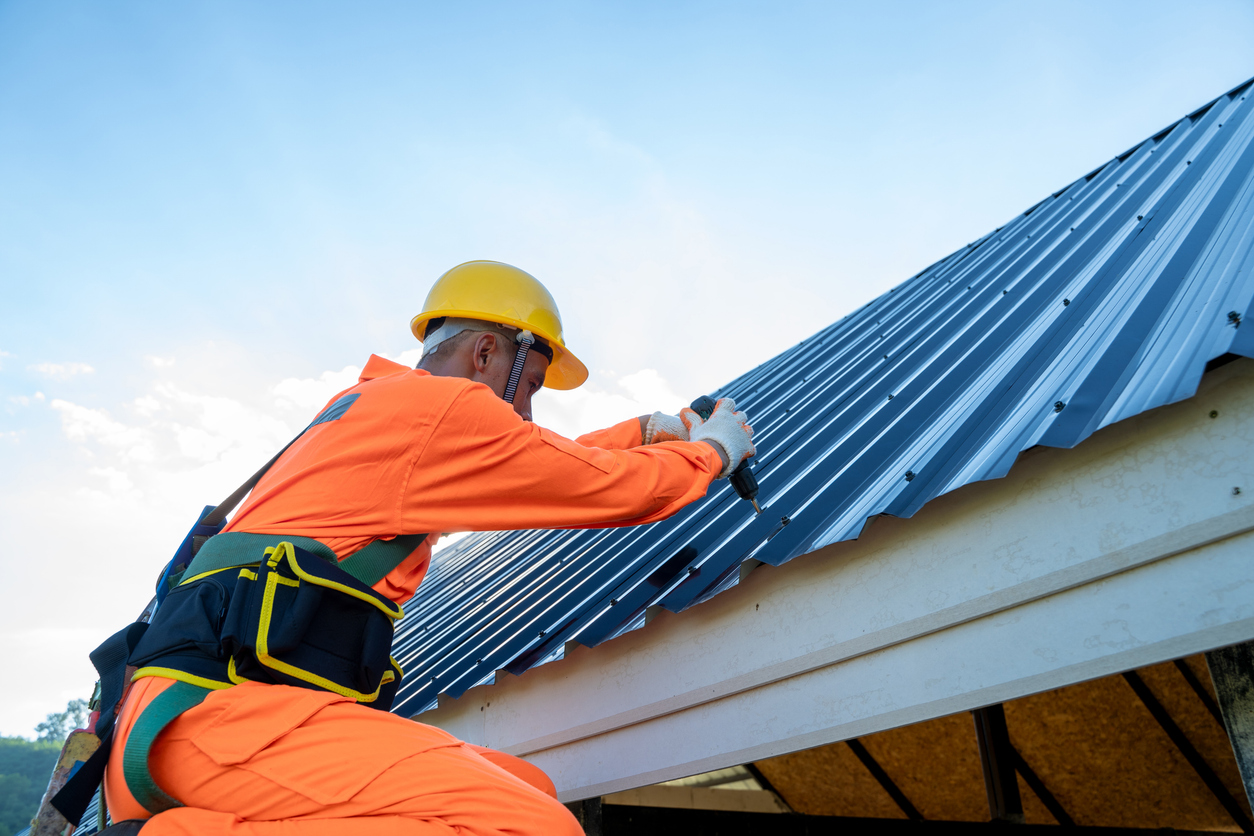
Some weak spots on roofs are skylights, gutters, and dips. These can let water in. Water can get in through these spots and damage things. For these issues, you can fill in cracks, change out worn parts, or clear out passageways that are clogged. You could put new sealant around the windows on the roof or fix flashing that is broken. You can keep your home safe and dry if you move quickly. Getting to know common roof leaks and fixes is important for your safety.
Finding Skylight Seals That Are Vulnerable
Skylights let in light, but the frames of many of them are cracked. To stop leaks, these seals must be checked. To find small holes, do this once a season.
- Check the sealer around the edges for cracks.
- Check the glass for soft spots.
- Use roof-grade material to replace the old sealer.
- Make sure that the screws on the window frame are tight.
- Cover small holes with flashing tape.
- Check after it rains a lot or the snow melts.
Making Sure Gutters Don’t Move

Gutters move water away from the edge of the roof. If they get clogged or sag, water can leak through the walls. Checking often keeps big problems from happening later. Mold and rot are less likely to happen if you fix your gutters right away.
- Get rid of things like sticks and leaves often.
- Make sure the gutter hooks can handle the weight.
- Tighten screws and clamps that are loose.
- Waterproof gutter sealer can be used to fix small cracks.
- Be sure the gutters are level so that water flows smoothly.
- Increase the length of your downspouts to move water away.
Repair and Vigilance in the Valley
Roof slopes carry a lot of water between two roof planes. A leak can happen quickly if the flashing or flooring is not strong. Valleys stay strong by being cleaned up and getting new stuff added to them.
- Clean up the mess to stop water from backing up.
- Check the edges of the flashing for rust or holes.
- Metal flashing should be used instead of broken flashing.
- For an extra protection, use self-adhesive underlayment.
- Tighten the boards along the line of the valley.
- Check for early signs of damage after storms.
Do something right now to protect yourself from water risks. A dry roof keeps your home safe and makes you happy for years to come. When it rains, feel safe and sure of yourself. Also, try know more about common roof leaks and fixes.


Before and after language around this research peptide often mixes two different kinds of change. One is early and easy..

Modern industries depend on reliable boilers that sustain consistent thermal balance during continuous operation. Effective heat control strongly influences production..
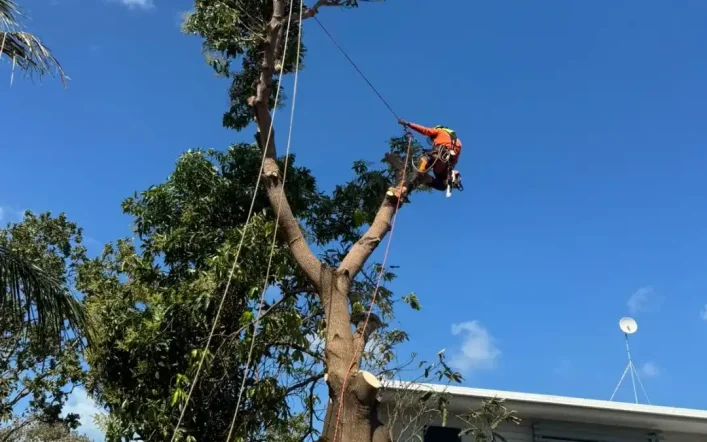
When it comes to finding reliable arborist in Townsville, making the right choice is crucial for ensuring quality results and..

Understanding real customer experiences offers valuable lessons for service improvement in courier and freight sectors. Platforms like transportify davao have revolutionized..