

How Orthodontic Tooth Movement Affects Root Resorption and Long-Term Dental Health
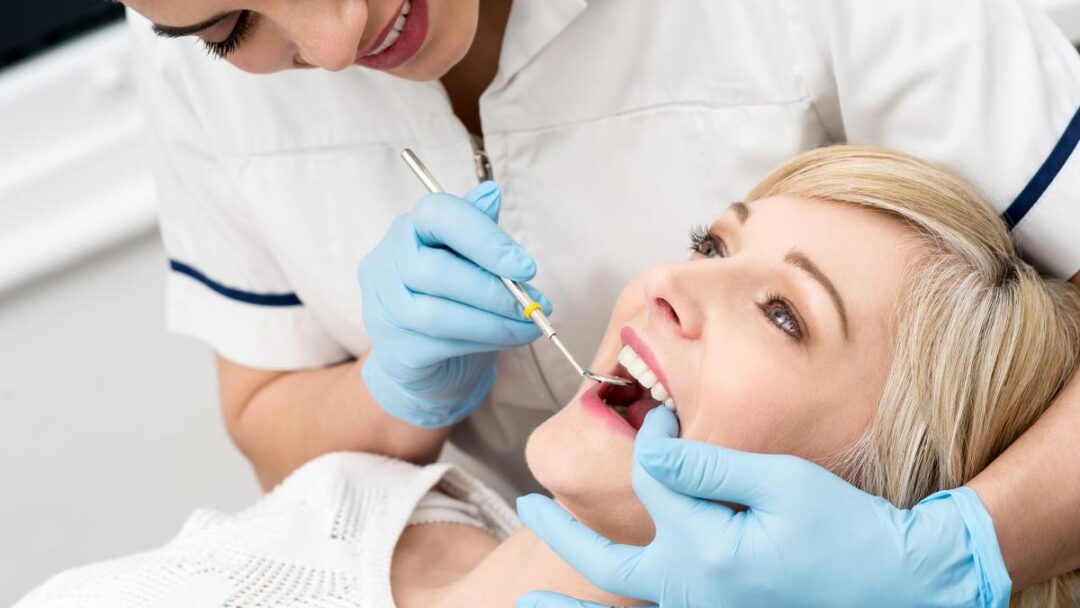
Understanding the Biological Process Behind Tooth Movement
Orthodontic treatment has become increasingly sophisticated over the decades, transforming countless smiles whilst simultaneously raising important questions about the biological consequences of moving teeth through bone. The process of orthodontic tooth movement is far more complex than simply applying pressure to shift teeth into new positions. It involves a remarkable cascade of cellular events that reshape the surrounding bone structure, allowing teeth to migrate through what appears to be solid tissue. However, this transformation does not occur without potential consequences, particularly concerning root resorption.
When an orthodontist in London applies force to a tooth, the periodontal ligament experiences compression on one side and tension on the other. This mechanical stress triggers osteoclasts to resorb bone on the compression side, whilst osteoblasts build new bone on the tension side. The elegance of this biological response allows teeth to move gradually through the alveolar bone, but the same cellular mechanisms can occasionally affect the tooth root itself.
The Phenomenon of Root Resorption During Orthodontic Treatment
Root resorption represents one of the most significant concerns in orthodontic practice, occurring when the body’s own cells begin to break down the hard tissue of the tooth root. This process can range from minimal and clinically insignificant to severe cases that compromise tooth longevity. Research indicates that virtually all patients undergoing orthodontic treatment experience some degree of root resorption, though the extent varies considerably between individuals.
The mechanisms underlying orthodontic-induced root resorption remain an area of active investigation. Studies examining the cellular and molecular mechanisms of orthodontic root resorption have revealed that the process involves similar cells to those responsible for bone remodelling. Odontoclasts, specialised cells capable of resorbing dental hard tissues, become activated in response to the mechanical forces applied during treatment.
Risk Factors and Predictive Indicators
Patient-Related Factors
Certain patients demonstrate greater susceptibility to root resorption than others, suggesting a genetic component to this phenomenon. Individual biological variation means that two patients receiving identical treatment may experience vastly different outcomes regarding root integrity. Age also plays a role, with adult patients generally showing increased risk compared to younger individuals whose biological systems demonstrate greater adaptability.
Treatment-Related Considerations
The magnitude and duration of applied forces significantly influence the degree of root resorption experienced during orthodontic treatment. Heavy forces, particularly when sustained over extended periods, create greater risk for root damage. Understanding biomechanical principles and treatment protocols allows practitioners to optimise force delivery, balancing treatment efficiency with biological safety. Intrusive movements, where teeth are pushed deeper into the bone, present particular challenges and demonstrate a higher association with root resorption compared to other types of tooth movement.
The type of orthodontic appliance employed also contributes to outcomes. Modern systems offering lighter, more continuous forces generally prove gentler on root structures than older techniques involving intermittent heavy forces. Treatment duration emerges as another crucial factor, with prolonged orthodontic cases demonstrating increased cumulative risk for root shortening.
Long-Term Implications for Dental Health
Whilst mild root resorption rarely compromises tooth function or longevity, understanding the long-term implications remains essential for informed treatment planning. Most patients experience resorption of less than two millimetres, which poses negligible risk to overall dental health. The root apex typically shows the greatest susceptibility, with resorption often appearing as a rounded or blunted root tip rather than the natural pointed configuration.
Recent experience in long-term outcomes following orthodontic treatment provides reassuring evidence that appropriately managed cases maintain an excellent prognosis. Teeth with moderate root resorption continue functioning normally for decades, provided they maintain adequate bone support and healthy periodontal tissues. The critical threshold appears to be root loss exceeding four millimetres, which may compromise long-term stability and require modified retention strategies.
Protecting Root Integrity Throughout Treatment
Modern orthodontic practice emphasises prevention and monitoring strategies to minimise root resorption risk. Regular radiographic assessment allows practitioners to identify early signs of excessive resorption, enabling treatment modifications before significant damage occurs. Implementing rest periods during lengthy treatments permits biological recovery and may reduce cumulative resorption. Additionally, careful treatment planning that considers individual risk factors helps practitioners tailor approaches to each patient’s unique biological profile, optimising outcomes whilst preserving dental health for the long term.


A discount tied to a recurring order feels like a reward for loyalty. Sometimes it is. Sometimes it’s a way..

The human body thrives when motion and breath move in harmony with each other and internal processes. Gentle movement activates..

Good health feels personal. It starts quietly when you begin noticing how your days look in your own place whether..

A long, healthful life starts with simple, day by day choices. Start through focusing on entire ingredients that feed your..